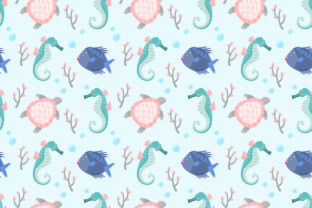
Fish Sea Horse and Turtle Pattern: A Strategic Tool for Creative and Operational Success
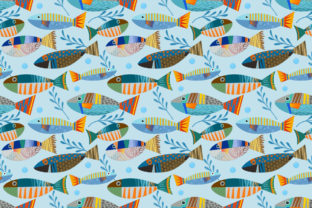
The Fish Sea Horse and Turtle Pattern is more than just an ornamental design—it’s a versatile, symbolic pattern that can be strategically integrated into various creative and operational contexts. This seamless pattern, composed of interwoven elements of fish, sea horses, and turtles, carries deep cultural and symbolic meanings. Its intricate design offers not only aesthetic appeal but also a visual metaphor for collaboration, resilience, and interconnectedness. Whether used in branding, design projects, or as a backdrop for content creation, this pattern can serve as a powerful tool for enhancing creativity, communication, and strategic planning.
Understanding the Fish Sea Horse and Turtle Pattern
The Fish Sea Horse and Turtle Pattern is a recurring motif found in traditional art forms across cultures. The fish represents adaptability and abundance, the sea horse symbolizes grace and perseverance, while the turtle embodies wisdom and stability. Together, these elements form a cohesive visual narrative that speaks to balance, harmony, and growth. When repeated seamlessly, the pattern creates a sense of continuity and fluidity, making it ideal for backgrounds, textiles, and digital assets.
This pattern is available in two formats: a high-resolution .jpg file (5000 x 5000 px) and an editable EPS 8 file, which ensures compatibility with professional design software like Adobe Illustrator and Affinity Designer. These formats make it easy for designers, marketers, and creators to integrate the pattern into their projects without compromising quality.
Strategic Use of the Fish Sea Horse and Turtle Pattern
While the Fish Sea Horse and Turtle Pattern may initially appear to be a decorative element, its strategic use can significantly enhance a variety of creative and business objectives. For instance, in branding, this pattern can be used to convey a sense of depth, tradition, and innovation. It can be incorporated into logos, packaging, or website backgrounds to create a visually engaging brand identity that resonates with both aesthetics and meaning.
In the realm of marketing, the pattern can serve as a consistent visual anchor across multiple touchpoints. By using it on social media posts, email templates, or promotional materials, businesses can reinforce brand recognition and create a cohesive visual language that supports long-term marketing strategies. The pattern’s versatility allows it to adapt to different industries, from eco-friendly products to luxury goods, depending on how it is contextualized.
Supporting Goals and Planning
When applied thoughtfully, the Fish Sea Horse and Turtle Pattern can support goal-setting and planning processes. Its symbolism encourages a mindset of adaptability and resilience—qualities essential for navigating challenges and achieving long-term outcomes. For example, when designing a project timeline or visualizing a strategic roadmap, incorporating this pattern can help maintain focus and inspire creativity throughout the process.
Moreover, the pattern’s seamless nature makes it an excellent choice for creating background visuals that do not distract from the main content. In educational settings, for instance, it can be used as a backdrop for presentations, infographics, or learning materials, helping to maintain a calm and focused environment while still adding visual interest.
Practical Applications Across Industries
The Fish Sea Horse and Turtle Pattern is not limited to any single industry or use case. Here are some practical examples of how it can be applied:
- Textile Design: Used in fabric patterns for clothing, home décor, or accessories, the pattern adds a unique and elegant touch.
- Gift Wrapping: As a decorative element, it enhances the unboxing experience and reinforces brand values through visual storytelling.
- Wallpaper and Backdrops: Ideal for interior design, event spaces, or photography studios, it provides a visually rich yet neutral base.
- Digital Assets: From website backgrounds to social media graphics, the pattern can be scaled and adapted to fit digital platforms effectively.
- Branding: Integrated into logos, stationery, or packaging, it helps establish a strong and memorable brand identity.
Each of these applications requires careful consideration of context, audience, and purpose. The key is to ensure that the pattern complements rather than overwhelms the intended message or design.
When to Use and How to Approach the Pattern
The Fish Sea Horse and Turtle Pattern is best used when you want to add visual depth, symbolism, or a sense of continuity to your design or project. It is particularly effective in scenarios where you aim to communicate values such as sustainability, longevity, or interconnectedness. However, it should not be used randomly or without clear intent.
To approach the pattern strategically, consider the following steps:
- Define Your Purpose: Determine what message or feeling you want to convey. Is it about growth, resilience, or unity?
- Assess the Context: Ensure the pattern aligns with your brand, audience, and overall design goals.
- Test and Refine: Experiment with different placements, color combinations, and scales to find the most effective application.
- Integrate Thoughtfully: Use the pattern as a supporting element, not the focal point, to maintain clarity and impact.
By approaching the Fish Sea Horse and Turtle Pattern with intention, you can unlock its full potential and avoid common pitfalls such as overuse or misalignment with your brand’s core values.
Risks of Using Without Clear Goals
While the Fish Sea Horse and Turtle Pattern is undeniably beautiful and versatile, using it without clear goals or context can lead to unintended consequences. One of the primary risks is visual clutter, where the pattern becomes overwhelming rather than enhancing the design. Additionally, without proper alignment with brand messaging, the pattern may fail to resonate with your target audience or even create confusion.
Another risk is misinterpretation. Since the pattern carries symbolic meanings, its use without thoughtful consideration could lead to unintended associations or misunderstandings. For example, if the pattern is used in a context that does not reflect its underlying themes, it may dilute its impact or create a disconnect between the visual and the message.
Finally, relying on the pattern without a clear strategy can result in inconsistent application, leading to a fragmented brand identity. To avoid these risks, it is essential to plan carefully and ensure that every use of the pattern serves a specific purpose.
Conclusion: Intentional Use for Better Results
The Fish Sea Horse and Turtle Pattern is a valuable resource for creators, entrepreneurs, and professionals looking to enhance their visual storytelling and strategic communication. By understanding its symbolism, exploring its practical applications, and using it intentionally, you can leverage this pattern to support your goals, improve your branding, and achieve better results.
Whether you’re designing a new product line, developing a marketing campaign, or creating a visually engaging workspace, the Fish Sea Horse and Turtle Pattern offers a unique opportunity to blend aesthetics with meaning. With the right approach, it can become a powerful asset in your creative toolkit—one that supports your vision, strengthens your brand, and inspires meaningful connections with your audience.